Skip to content

Keyword Research in Seacliff, South Australia

Service keywords guide the first research step for businesses in Seacliff. We map search intent, location modifiers and conversion terms to your services.

Quick Summary: Keyword Research in Seacliff, South Australia

Keyword Research in Seacliff is provided by SEO-Adelaide.au for businesses across Adelaide and South Australia. The service maps search intent, location modifiers, buyer stages and conversion terms, with free estimates available.

  • What we do: SEO-Adelaide.au provides Keyword Research for businesses in Seacliff, South Australia, covering service terms, search intent and local modifiers.
  • What is included: Capabilities include service mapping, commercial intent checks, buyer-stage grouping, conversion-term review and keyword planning for content.
  • What you get: The customer receives a prioritised keyword map that supports page planning and campaign decisions.

Which service keywords should I target for my services in Seacliff?

Service keywords should match your actual offer, customer intent and location. The review groups terms by commercial value, buyer stage and conversion potential, then links suitable phrases to pages or content. This approach helps you choose targets that reflect what customers seek, not just words with broad search appeal.


Keyword Research for Seacliff Service Businesses

Keyword research gives a business a way to decide which service terms deserve a page, section or campaign. We assess the offer, customer language, search intent and the role of each term in the buying journey.

This page is for businesses that need a focused target list for local search. It suits professional practices, local businesses, e-commerce brands and organisations with several services. The key decision is whether a phrase supports a real business goal, such as an enquiry, sale or useful information request.

The work does not replace technical SEO, on-page changes or content writing. Those services use the keyword map after the target terms and page roles are agreed.

  • Match search terms to real services and customer needs.
  • Separate research terms by commercial intent and buyer stage.
  • Check which terms fit existing pages and which need new content.
  • Record location modifiers that make sense for the service area.
  • Prioritise terms before content or campaign work begins.
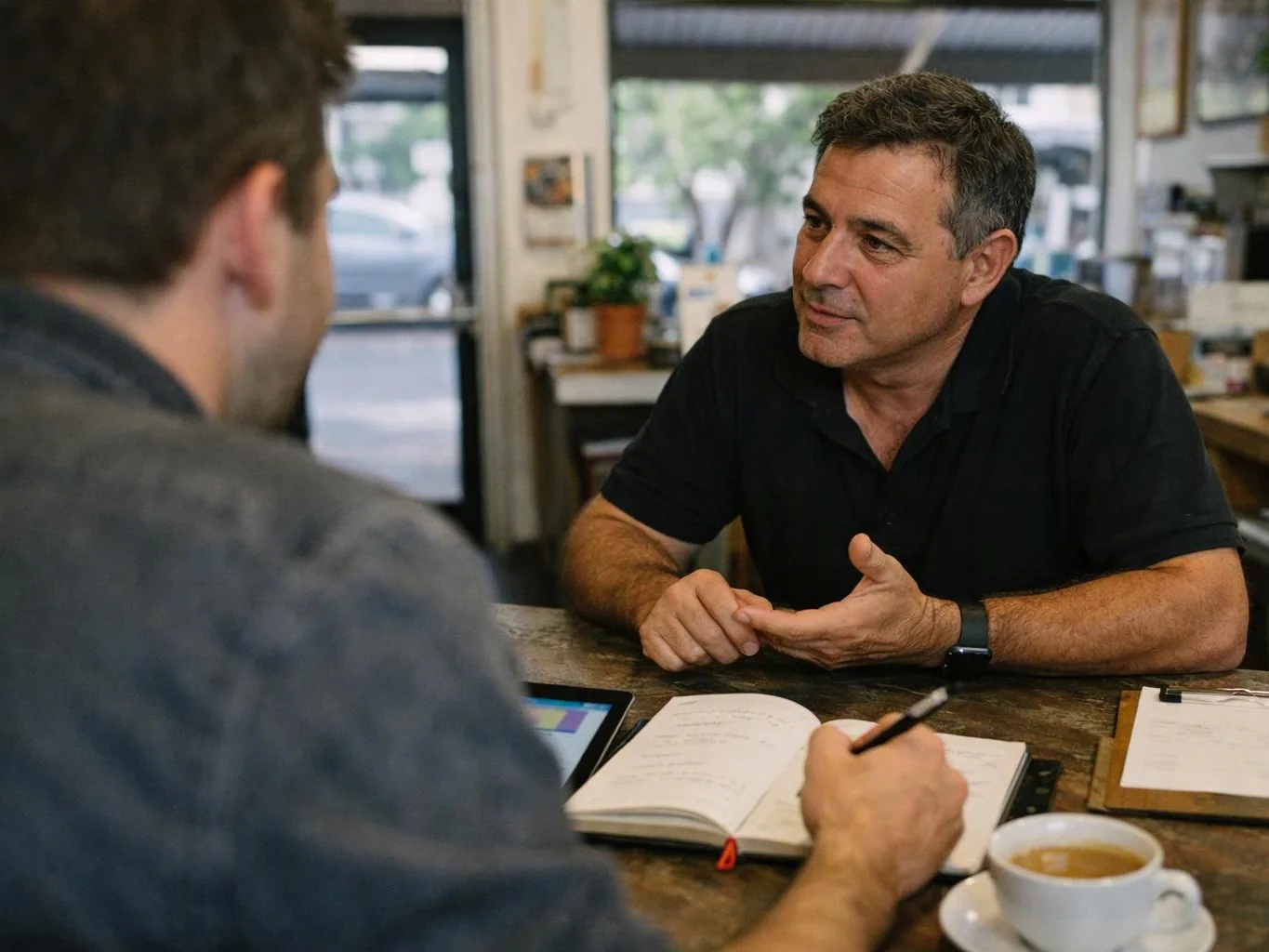
A man shows a tablet chart to a woman across a café table while they talk over coffee

Service Overview

Keyword research is a search planning service that finds and groups phrases customers use for a business's services.

  • It differs from content strategy because it selects and prioritises search terms before content themes and page briefs are built.
  • Keyword research covers Seacliff and wider Adelaide and South Australia through online delivery and reporting.

What Better Keyword Planning Changes

You get a clearer order for page and content work.

Your campaign can focus on terms that match genuine buying intent.

Location modifiers help separate local searches from broader service research.

The map reduces overlap between pages that target similar customer needs.

Regular maintenance keeps the keyword plan aligned with changing services and search behaviour.

Process

How We Build The Keyword Map

1

Review services and audiences

We list the services, customer groups and business goals that should guide the research.

2

Group search intent

We sort phrases by the purpose behind the search, including research, comparison and conversion intent.

3

Map buyer stages

We connect terms with stages of the buying journey and note the page or content role for each group.

4

Check local modifiers

We review place-based wording and decide where local terms fit the service area and audience.

5

Prioritise and report

We organise the findings into a usable map and explain the priorities in plain-English reporting.

Why Use A Focused Keyword Plan

Service fit comes first

We start with the services you actually sell, then connect them to customer language and search intent. Customers get a list shaped around business goals, not a broad word dump. This service is the wrong job when you need technical fixes only, because keyword planning cannot repair crawl, indexing or site-speed problems.

Buyer stages stay visible

Research terms, comparison terms and conversion terms need different page roles. We separate those stages so customers can see where a phrase belongs before content work begins.

Reports support decisions

Plain-English SEO reporting explains the reason behind each priority. Customers can use the findings to brief content, review existing pages or plan wider search campaigns.

A client scenario this service addresses

A local service business may have several pages that use similar wording, while customers search with different service and location terms. We would group those terms, check their intent and assign each useful group to a suitable page or content task. The result is a planning decision, not a claim about completed work.

What Your Keyword Research Includes

SEO-Adelaide.au provides comprehensive Keyword Research in Seacliff. Here's what you get:

  • We review your services and translate them into customer search themes.
  • We group terms by commercial intent, such as research, comparison and enquiry searches.
  • We map buyer stages so each phrase has a clear role in the journey.
  • We assess location modifiers for local service searches.
  • We connect target terms with suitable pages, content topics or campaigns.
  • We prepare findings in plain-English SEO reporting for practical decisions.

Keyword Groups And Their Page Roles

These groups show how search intent changes the action assigned to a target term.

Keyword groupBest use
Research termsHelpful guides or early-stage content
Commercial termsService pages and comparison content
Conversion termsLanding pages and enquiry paths

Our Standard

  • Audience Keyword Research
  • Search Visibility Optimisation
  • Technical SEO Review
  • Local SEO Strategy

Questions About Keyword Planning

Which service keywords should I target for my services?

Service keywords should match your offer, customer intent and conversion goal. We review the words linked to each service, then group them by buyer stage and commercial value. Location modifiers matter when customers seek a provider in a defined area. The final map gives each priority term a clear page, content or campaign role.

How does the research move from the first call to the last step?

The process moves from service review to intent grouping, keyword mapping and plain-English reporting.

  1. We review your services, audiences and goals.
  2. We group phrases by intent and buyer stage.
  3. We assign terms to pages, content or campaigns.
  4. We explain priorities and scope in the report.

Customers can then use the map for their next planning decision.

What does the first assessment need from my business?

The first assessment needs your service list, website details, customer groups and main business goals. Existing page names, campaign notes or search data can add useful context. Our team uses that information to separate real service terms from broad phrases that do not match the offer.

When should a business request keyword mapping?

Keyword mapping is useful before a site build, content plan, campaign launch or major service change. It also helps when several pages use similar wording without clear roles. Businesses in Seacliff can provide their service list and audience details, then request a scope for the research.

Why do location modifiers matter for local searches?

Location modifiers show that a searcher wants a service in a defined area. We assess them beside service intent, not as isolated words. A local term may suit a service page, location page or Google Business Profile plan, while a broad term may suit wider content.

How can I tell whether keyword research fits my business?

Keyword research fits when you need to choose target terms, page topics or campaign groups. It is useful for unclear service wording, overlapping pages or an unplanned content schedule. A technical audit is a better first step when the main issue concerns crawling, indexing or site performance.

Which part of the work changes the quote?

The service count, website size, competitor review and depth of page mapping change the quote. A small service list needs a different research scope from a large site with many audiences and campaigns. We review those details before providing a free estimate.
Contact

Request A Free Keyword Research Estimate

Ask for a free estimate for keyword mapping in Seacliff, including service terms, intent groups and page priorities.

A man gestures with a tablet while talking to a woman beside coffee mugs and a paper bag at a table
61 493 869 010