Skip to content

User Experience Design in Tea Tree Gully

Before journey mapping starts, we check the site's purpose and key user paths for businesses in Tea Tree Gully. We then shape clearer menus, page flows and calls to action.

Quick Summary: User Experience Design in Tea Tree Gully, South Australia

User Experience Design in Tea Tree Gully is delivered by SEO-Adelaide.au for businesses across Adelaide and South Australia. The service covers journey mapping, user research, usability testing and information architecture, alongside SEO audits and content strategy.

  • What we do: SEO-Adelaide.au provides User Experience Design for Tea Tree Gully, South Australia, with journey mapping, user research and usability testing.
  • What is included: Journey mapping, user research, usability testing, information architecture, content planning and search-focused website reviews.
  • What you get: Visitors can find key information, understand the next step and move through the site with fewer obstacles.

Why does my website feel hard to use in Tea Tree Gully, South Australia?

A website feels hard to use when its page paths, labels or content do not match user needs. Journey mapping shows where people lose direction, while testing checks whether the revised flow makes sense.

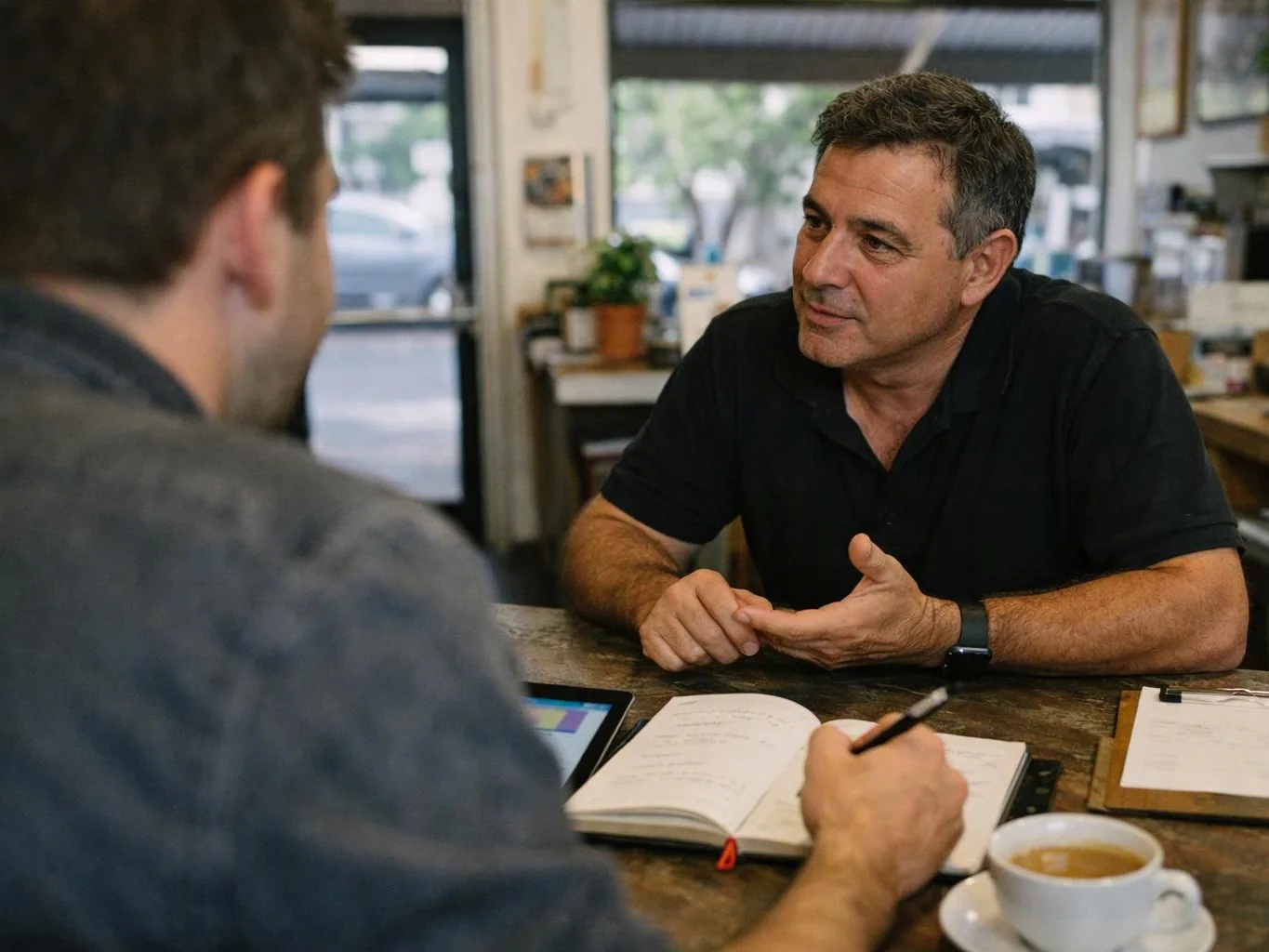
User Experience Design in Tea Tree Gully for clearer website journeys

User experience design suits businesses whose visitors reach the site but struggle to find an answer or complete an enquiry. The work focuses on the customer journey, page structure, navigation labels and content order.

The key decision is whether the problem sits in the user path or in search visibility. A journey review helps separate those issues, so the next work targets the right part of the site rather than changing every page at once.

  • Check whether users can find the main service from the home page.
  • Review navigation labels, page order and calls to action.
  • Map the steps from an entry page to an enquiry.
  • Test whether mobile users can read and act on key content.
  • Separate usability issues from technical SEO issues.
Two women talk across a wooden counter, one holding a tablet in a small shop with shelves of jars behind them

Service Overview

User Experience Design is a service that improves how people understand and use a website.

  • It differs from search engine optimisation because it studies user paths and page use, while SEO focuses on search visibility and qualified traffic.
  • Tea Tree Gully businesses can receive this work as part of coverage across Adelaide and South Australia.

What user experience design includes for your website

SEO-Adelaide.au provides comprehensive User Experience Design in Tea Tree Gully. Here's what you get:

  • We map the main user journey from an entry page to a useful action.
  • We review page structure, navigation labels and information order.
  • We study user needs and search intent to clarify important content.
  • We test key page flows for confusion, missing information and unclear actions.
  • We connect findings with content planning and on-page SEO work.
  • We provide practical recommendations that support later design or development work.
Process

How we shape a clearer website journey

1

Map the main user journey

We identify the entry pages, key questions and actions that matter to the business.

2

Review research and page intent

We compare user needs, search intent and existing content to find gaps or confusing steps.

3

Check structure and navigation

We assess information architecture, menus, page hierarchy and calls to action.

4

Test important task flows

We test whether users can find information and complete key actions with the current structure.

5

Set the change brief

We record the findings and set practical actions for content, design and technical SEO.

How to judge the right user experience design scope

Start with the main customer path

The first useful question is where a visitor needs to go and what they need to understand. We map that path before recommending page changes. This service is the wrong job when the site already works well for users and the only issue is poor search visibility.

Match research to the decision

A small content problem may need a page review, while a confusing site structure needs broader research and testing. The scope should match the risk, audience and business goal.

Turn findings into usable actions

Recommendations should name the page, path or label that needs attention. Plain-English reporting helps your team decide which changes belong in content, design or technical SEO.

What clearer website journeys change for customers

Visitors can reach important information without searching through unrelated pages.

Clear labels help people understand what each page offers and where to go next.

A tested page flow gives developers a firmer brief for future changes.

User research helps separate real customer needs from internal assumptions.

Better page structure supports both usability and search visibility.

Which website problem needs which review

This table separates common website concerns so you can choose the first useful assessment.

Website problemFirst reviewUseful output
Users cannot find informationInformation architecture reviewPage and navigation changes
Users cannot complete a taskUsability testingTask-flow recommendations
The site is hard to find in searchTechnical and on-page SEO auditSearch-focused action plan

Our Standard

  • Audience Keyword Research
  • Search Visibility Optimisation
  • Technical SEO Review
  • Local SEO Strategy

Questions about clearer website use

How can user experience design make my website easier to use?

Journey mapping makes a website easier to use by showing where visitors lose direction before taking action. We review entry pages, navigation, content order and calls to action. User research adds context about what people need, while usability testing checks whether the revised path makes sense. The result is a focused brief for page, content or design changes.

What does the team look at first during this work?

The main user path comes first because it shows what visitors need to do on the site. We check the entry page, page purpose, navigation label and next action. We also compare the path with search intent and existing content. This helps separate a content gap from a wider structure problem.

Which checks should happen before design changes are scheduled?

A website review should check the current user paths, analytics access, search intent and key page content before design changes begin. These checks show whether the issue sits in navigation, content, technical SEO or page layout. We record the findings first, so the agreed work has a clear reason and scope.

Who is a good fit for this service, and who needs different work?

Businesses with confusing page paths, unclear content or weak calls to action are good fits for user experience design. A site that users understand but cannot find in search needs SEO work first. E-commerce brands, professional practices and local businesses can all use the service when the main issue concerns how visitors move through the site.

Why does information architecture matter to search visitors?

Information architecture matters because page groups and labels help visitors find related answers. A clear structure also gives search engines stronger context about the site. We review menus, internal links, page hierarchy and content intent together. The work does not replace technical SEO, but it can show where structure and search content need to meet.

What changes the price of a user journey review?

The number of user paths, pages, research tasks and testing needs changes the project scope. A single conversion path requires less work than a site with many audiences and content groups. We discuss those parts before preparing a free estimate. The estimate sets out the agreed deliverables and review depth.

Can user testing cover mobile and desktop website paths?

Usability testing can cover mobile and desktop paths when both experiences affect the customer task. We check reading order, menus, buttons, forms and page movement on each relevant layout. The testing scope follows the user path and business goal. Findings then support a focused design and content brief.
Contact

Get a Free Estimate for User Experience Design in Tea Tree Gully

Request your quote for a website journey review in Tea Tree Gully. After you reach out, we’ll discuss your users, key pages and the scope needed for research, testing or information architecture.

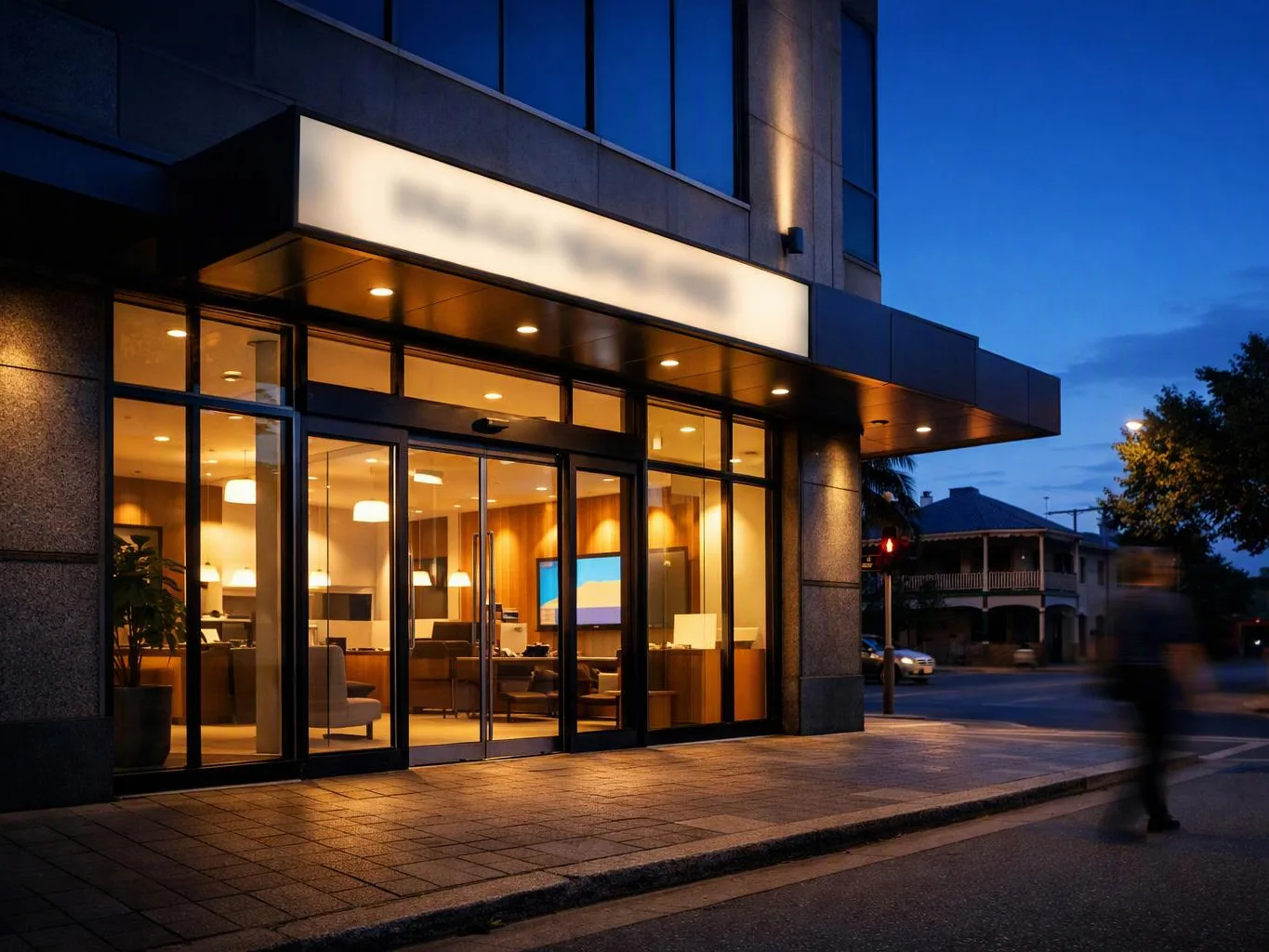
A lit glass storefront glows at dusk, with empty chairs inside and a blurred pedestrian passing outside

Postal codes we serve in Tea Tree Gully, South Australia

5091

User Experience Design in Other Areas

61 493 869 010